A House That Creates Circulation — Permaculture Designer Yotsui Shinji

Tony Duong
Jun 13, 2026 ・ 4 min
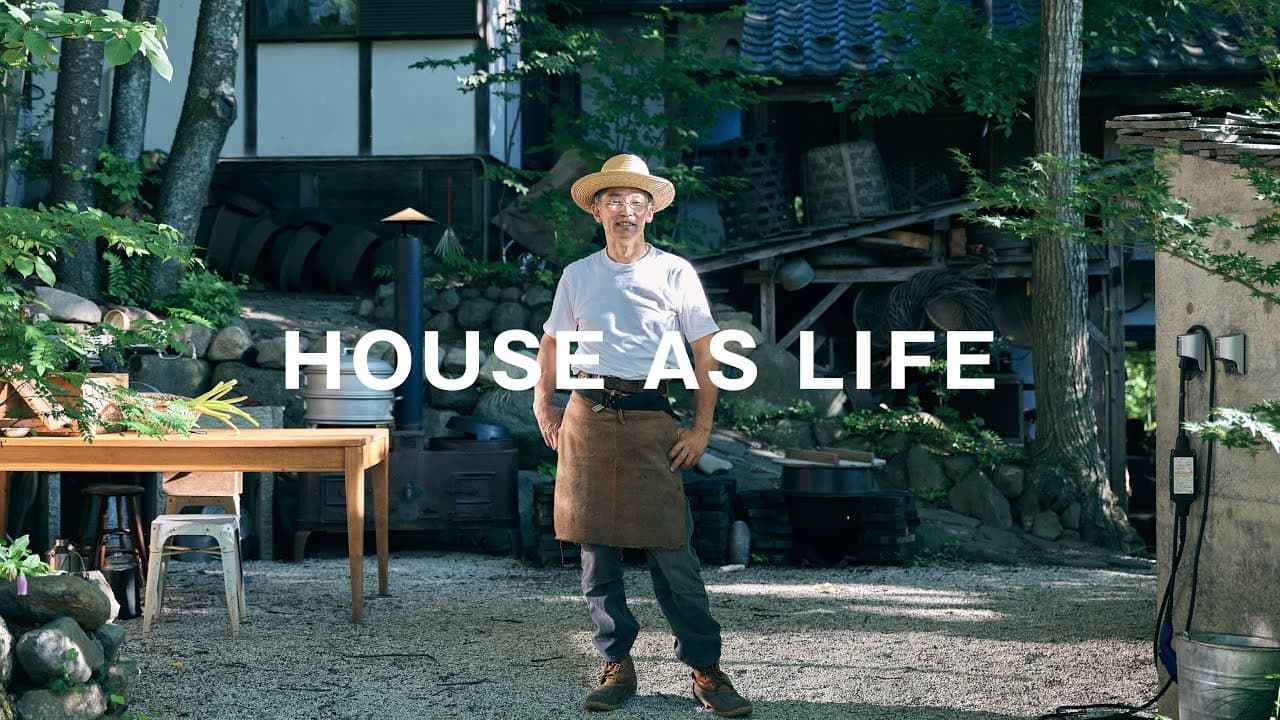
Part of MUJI HOUSE's "House as Life" series, this episode visits permaculture designer Yotsui Shinji and his family in a cold region of Japan (winters down to −10°C). After 18 years on site, they treat their home and land as a living experiment in sustainable living.
What Is Permaculture Design?
Permaculture design extends natural systems into how we live:
- Design the landscape so wastewater, energy inputs, and other flows circulate across the whole site
- Shape the scenery around those systems rather than fighting them
- Aim for a place where more people make the environment richer, not poorer
The Site: House, Garden, and Farm as One System
The main house sits on ~1,800 m²; the farm north of it is just over 3,300 m² (expanded gradually as their living skills grew). The overall design follows a simple principle: life eats, excretes, and gathers what it needs — so the farm is designed as a place where material and energy gather.
Concrete loops on the site:
- Fallen leaves from chestnut trees → compost bin → concentrated compost → fields
- Kitchen and household waste → homemade compost → fields
- Chickens, goats, trees, grass, and wildlife all contribute to soil building
The goal is not to "make soil" as a separate chore, but to create soil by living there — the core mechanism of sustainability on the property.
Compost as the Heart of Daily Life
A compost shed runs hot (around 40–43°C) with active fermentation. Food scraps, wood, and garden cleanup that would normally be thrown away all flow through this shed and back to the fields. Burdock and other deep-rooted plants further till and loosen the soil underneath, supporting a crumbly, living substrate.
Energy and Resilience
Solar panels feed a battery charger used for electric vehicles and connected to the house via underground wiring — serving as emergency power during outages.
How Far Does "Home" Extend?
Yotsui draws a distinction between functional zones (house, garden, farm) and true living space: a house plus nearby field and forest where you can gather a little of what you need. Independent elements self-organize into connected paths — someone's harvest reaches their table. That pattern could fractally extend across a wider area.
Building for Place, Not Just for Land
A building should suit the climate and interact with forest, fields, and grasslands outside. Consider:
- Traffic flow for daily tasks (where you walk, work, store tools)
- Location, size, and orientation relative to natural forces
- Using a nearby forest's cool air and temperature differences to drive ventilation
People often pick a site because land is available or commute distance works — but Yotsui argues they should ask what conditions make living there comfortable, rooted in the earth. That leads to a lifestyle that puts the earth at ease.
Humans as a Reason for the Environment to Flourish
His work is based on creating systems where other living things increase because people are present — a reason for human existence, not just coexistence. After building a biogeofilter, he saw the local environment grow richer and realized that human living, done well, can enrich the environment the way other species do.
Around any home are natural systems and forces. Used well, they can purify water, provide energy, and return waste to soil — even if the house itself doesn't contain those systems.
Home as a Tool for Living
Yotsui collects tools for living; he sees the house the same way — not just a box for sleeping and family time, but a functional space for the work required to live: equipment, storage, and movement flows. Reclaiming your life and seeking real richness, he argues, is where your unique culture and lifestyle are born — and there must be a home that fits that.
Key Takeaways
- Permaculture design treats house, garden, and farm as one circulating system, not separate zones
- Compost loops turn everyday waste into soil without treating soil-building as extra labor
- Solar storage adds resilience beyond day-to-day EV use
- "Home" can extend to field and forest — living space is where you gather, not just where you sleep
- Buildings should be chosen and shaped for climate, ecology, and daily task flows — not just available land or commute distance
- Human presence can enrich an ecosystem when design creates opportunity for other life to thrive